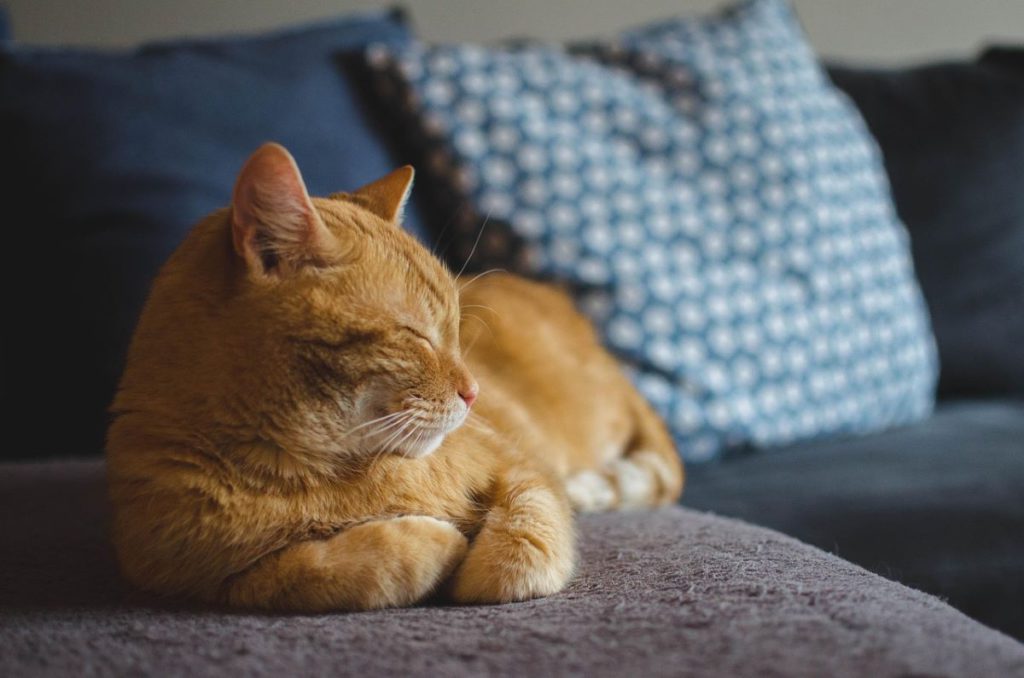
Cat grooming is often misunderstood as a luxury rather than a fundamental part of feline care. Dog grooming is equally essential, shaping not only how a pet looks but how it feels and functions day to day. While many owners focus on feeding routines and exercise, coat maintenance plays a quiet yet powerful role in long-term well-being. When approached with patience and knowledge, grooming becomes less about appearance and more about connection, health, and trust.
There is something deeply personal about tending to an animal’s coat. Brushing through soft fur, trimming around delicate contours, and keeping skin clean create a tactile bond between human and pet. Animals rely on touch to interpret the world, and calm, consistent handling teaches them that grooming is safe. It transforms what could be stressful into a ritual of reassurance.
By nature, cats are meticulous self-cleaners. They spend hours each week washing and rearranging their fur with their tongues. Yet even the most diligent feline cannot prevent matting in long coats or remove every loose hair during shedding seasons. Knots form in hidden places – behind the ears, under the legs, along the belly. Left unattended, these tight tangles pull on the skin and cause discomfort. Gentle brushing distributes natural oils through the coat and reduces hairballs caused by excess loose fur.
Dogs, by contrast, vary widely in coat type and grooming demands. A short-haired breed may require little more than weekly brushing and the occasional bath. A double-coated working breed sheds heavily and needs more structured care to manage seasonal blowouts. Curly or wool-textured coats require regular clipping to prevent dense matting close to the skin. Understanding coat composition is central to maintaining both comfort and hygiene.
The craft of grooming goes beyond fur. Nails, ears, eyes, and teeth all form part of a holistic routine. Overgrown nails can alter posture and strain joints. Dirty ears may conceal infection. Unchecked dental plaque can contribute to broader health issues. Skilled grooming looks at the whole animal, not just the surface. It is preventative care disguised as pampering.
Bathing, for example, is rarely a one-size-fits-all process. Overwashing can strip the skin of essential oils, leading to dryness or irritation. Insufficient bathing can allow odours and debris to accumulate. The right balance depends on coat type, lifestyle, and environment. Pets who spend time outdoors may need more frequent cleaning than those living primarily indoors. Water temperature, shampoo formulation, and drying technique each influence skin health.
Drying alone is an art. Towel drying works for some coats, while others benefit from controlled, low-heat blow drying to prevent moisture from lingering close to the skin. Care must be taken not to overheat delicate areas or frighten a noise-sensitive animal. The goal is calm efficiency, not speed at the expense of comfort.
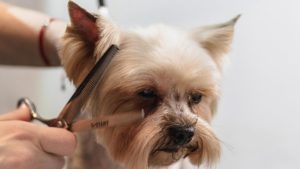
Brushing technique also matters more than many realise. Pulling harshly through knots can create fear and resistance. Instead, working slowly from the ends of the fur toward the skin prevents painful tugging. Tools must suit coat density. A slicker brush is useful for removing undercoat in certain breeds, while a wide-toothed comb helps ease through longer strands. In cats, especially, short, quiet sessions often succeed where prolonged handling would cause stress.
Clipping and trimming introduce another layer of responsibility. Precision around paws and sanitary areas promotes cleanliness, while tidying around the eyes improves visibility. For some breeds, maintaining a traditional cut supports temperature regulation and coat health. Yet shaving too close can expose skin to sun damage or alter natural insulation. Decisions should be guided by practicality and welfare rather than trends.
Behaviour plays a significant role in the grooming experience. Animals mirror human energy. A rushed, anxious handler creates tension. A calm, steady presence encourages relaxation. Many pets respond positively to routine – a consistent time of day, a familiar space, and reassuring tones. Introducing grooming gradually during early life stages builds resilience and cooperation.
Professional groomers often describe their work as a balance between technical skill and emotional awareness. They must interpret body language, notice subtle signs of discomfort, and adjust techniques accordingly. A slight flinch when lifting a paw may reveal sensitivity. Excessive scratching can indicate underlying skin concerns. Grooming appointments, therefore, serve as checkpoints for assessing overall condition.
At home, owners can develop a similar level of attentiveness. Small changes in coat texture, unexplained lumps beneath fur, or redness around ears may warrant veterinary consultation. Regular grooming allows these changes to be detected early. It is a moment of inspection disguised as routine maintenance.
Seasonal shifts also affect grooming needs. Warmer months often increase shedding in many breeds, while cooler months can encourage thicker growth. Humidity influences skin hydration, and dry climates may lead to flakiness. Adjusting routines throughout the year supports comfort and appearance. In Australia’s varied climate, paying attention to local conditions is especially important.
There is also the aesthetic dimension. A well-maintained coat catches light differently. It feels softer to the touch and looks vibrant. Clean paws leave fewer marks around the home. Grooming helps pets present their best selves, which in turn influences how others respond to them. Confidence is not exclusively human; animals move differently when comfortable in their own skin.
Yet grooming should never feel transactional. The real art lies in the quiet minutes of shared focus. A cat leaning into a brush stroke, a dog standing patiently while being dried, and an owner speaking softly while trimming. These moments accumulate trust. They reinforce the idea that care is consistent and intentional.
For households juggling busy schedules, establishing a manageable routine is key. Short, frequent sessions are often more effective than infrequent, lengthy ones. Even five minutes a day reduces tangles and builds familiarity. Consistency reduces anxiety and creates predictability.
Ultimately, grooming reflects responsibility. It acknowledges that animals depend on us not only for food and shelter but for detailed, attentive maintenance of their bodies. While many see it as cosmetic, its deeper impact is physical and emotional. Healthy skin, trimmed nails, clean ears, and brushed coats contribute to mobility, comfort, and confidence.
The art of grooming is subtle. It requires patience, observation, and empathy. It honours the individuality of each animal – their coat texture, temperament, and tolerance. When approached thoughtfully, it becomes an act of stewardship rather than routine.
In caring for pets, appearance and well-being are intertwined. Grooming is not about chasing perfection; it is about preserving comfort and dignity. In those steady, careful movements of brush and towel, we practise attentiveness. And in that attentiveness, pets thrive.